Source windproof waterproof light down jacket for Travel, Work, Outdoor
Find 30 verified options for a windproof waterproof light down jacket suitable for travel, work, and outdoor activities. Buyers can compare features like material, weight, and size to select the best supplier for their needs.
Key considerations
Products List


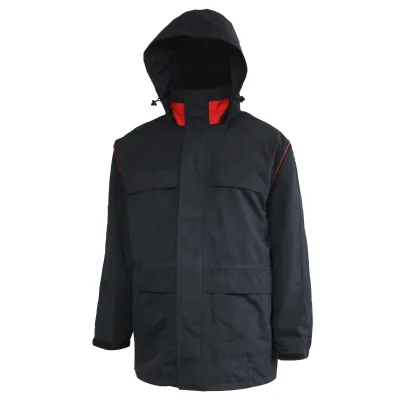


Comprehensive Sourcing Guide
Strategic Sourcing Guide for Windproof Waterproof Light Down Jackets
The global demand for high-performance outerwear has intensified, with windproof and waterproof light down jackets emerging as a critical category for both commercial and industrial procurement. Sourcing these garments requires a disciplined approach that balances technical performance, material integrity, and supply chain reliability. Buyers must navigate a complex landscape where "light down" implies specific insulation standards, while "windproof" and "waterproof" demand rigorous fabric testing. This guide outlines the essential factors for evaluating suppliers and products, ensuring that procurement decisions are grounded in verified facts rather than marketing assertions.
Technical Specifications and Material Composition
The foundation of a reliable windproof waterproof light down jacket lies in its material composition and construction. Based on available market data, the primary fabrics utilized in this category are polyester and nylon, often blended to optimize durability and weight. The observed material specifications indicate a weight range of 17-180 GSM, which is critical for determining the jacket's thermal efficiency and packability. A lighter GSM typically correlates with a "light down" designation, suitable for high-mobility activities, while higher GSM values suggest enhanced durability for harsher conditions.
The composite process plays a pivotal role in achieving the necessary waterproof and windproof barriers. The industry frequently employs Polyurethane Roller Composite Technology to bond waterproof membranes to the outer shell fabric. This process ensures that the jacket maintains breathability while preventing water ingress. The width of the fabric is a standard specification to consider, with 57/58" being a common dimension for woven cloth and woven fabrics used in garment manufacturing.
Insulation is another key technical variable. While the core keyword specifies "light down," the actual fill power and weight of the down or synthetic alternative are not explicitly defined in the general product attributes provided. Buyers must verify the specific fill weight and type (down vs. synthetic) with the supplier, as these directly impact the thermal rating. The observed product models, such as E14, P12, and K35, suggest a variety of configurations, but the specific technical breakdown for each model must be confirmed through direct inquiry. The feature set consistently includes windproof, waterproof, and breathable properties, with some variants adding anti-static or anti-UV capabilities.
Compliance, Certification, and Standard Verification
In the B2B sector, compliance is non-negotiable. The sourcing of windproof waterproof jackets requires strict adherence to international standards and certifications. The provided data references ISO certification as a relevant category for woven cloth and fabrics, indicating that suppliers should possess valid ISO management system certifications. However, buyers must not assume that every listed product automatically meets specific safety or performance standards without verification.
Standardization in this sector often involves size and weight metrics. Observed standards include size ranges from S to 5XL or S to 4XXL, and weight specifications such as 120 g or 304 g. These figures likely refer to specific product models or fabric weights rather than a universal standard for the entire category. Buyers should request detailed test reports for water resistance (hydrostatic head), wind penetration, and breathability (MVTR) to ensure the product meets the intended application requirements.
For products intended for children, age-specific standards apply. The data notes an age range of 0-9 months, suggesting the existence of specialized infant or toddler lines. These products must comply with stricter flammability and chemical safety regulations compared to adult wear. The "Customized" attribute indicates that many suppliers offer OEM services, allowing buyers to specify their own compliance requirements, but the base product must still meet the origin country's export standards, which in this case is primarily China and Jiangsu Province.
Cost Drivers and Pricing Dynamics
Understanding the cost structure of windproof waterproof light down jackets is essential for budgeting and negotiation. The observed price range in the market spans from $0.50 to $55.50 USD. This wide disparity is driven by several factors, including the quality of the down or synthetic fill, the complexity of the composite process, and the level of customization required.
The minimum order quantity (MOQ) is a significant cost driver. The observed MOQ range varies from 1 to 1000 units, with some specific listings requiring 10,000 units. Higher MOQs often correlate with lower unit costs, making them suitable for large-scale corporate orders or retail chains. Conversely, lower MOQs allow for smaller batches but come with a premium per unit. The "OEM: Yes" attribute confirms that customization is a standard offering, which typically increases the cost due to tooling, pattern making, and fabric sourcing adjustments.
Material costs fluctuate based on the type of fabric used. Polyester and nylon blends with Polyurethane coatings are standard, but premium variants with advanced breathable membranes will command higher prices. Additionally, the weight of the garment (17-180 GSM) directly influences material usage and, consequently, the final price. Buyers should analyze the cost per GSM to determine the true value proposition of a supplier's offering.
Typical Applications and Usage Scenarios
The versatility of windproof waterproof light down jackets makes them suitable for a diverse range of applications. The primary usage categories identified include Garment and Home Textile. In the garment sector, these jackets are ideal for outdoor activities, winter sports, and general cold-weather protection. The "Winter" and "Spring / Autumn" seasonal attributes highlight their adaptability to varying climate conditions.
The "Applicable User" data specifies "Adults" and "Children," indicating that the market serves both demographic segments. For adults, the jackets are often used in professional settings requiring mobility, such as logistics, construction, or outdoor recreation. For children, the focus shifts to safety and comfort, with features like anti-static and anti-UV protection becoming more relevant.
The "Type: Common" classification suggests that these are standard-issue items rather than highly specialized tactical gear. However, the presence of specific models like "CT-rainwear2021020" and "Children's Down Jacket-013L" indicates that suppliers can produce specialized variants for specific industries. The "Colourful" attribute further expands the application scope to include promotional merchandise and team uniforms, where branding and visual appeal are as important as technical performance.
Supplier Evaluation and Sourcing Strategy
Evaluating suppliers requires a methodical approach to ensure reliability and quality. The origin of the products is predominantly China, with specific mentions of Jiangsu Province. While this region is a major hub for textile manufacturing, buyers must verify the specific factory capabilities and production capacity. The "prod_packing" attributes, such as "1 PCS/Polybag," "1 Pieces 1 Polybag," and "Roll-Packing," provide insight into the supplier's logistics capabilities.
When assessing suppliers, buyers should prioritize those who offer OEM services and have a history of customization. The "Customization: Available" attribute is a strong indicator of a flexible supply chain. However, buyers must also scrutinize the "prod_standard" and "prod_model" data to ensure the supplier can consistently produce the required specifications. The presence of multiple model numbers (E14, P12, K35, E64, etc.) suggests a robust product line, but the buyer must confirm that the specific model meets the technical requirements for windproof and waterproof performance.
Logistics and transportation are also critical factors. The "Sea Transportation" attribute indicates that the supplier is equipped for international shipping, but buyers should clarify lead times and packaging requirements to prevent damage during transit. The "Free Size" option offers flexibility for certain markets, but standard sizing (S, M, L) is more common for commercial orders.
Quality Control and Long-Term Procurement Considerations
Maintaining quality control is paramount in the procurement of technical outerwear. Buyers should implement a rigorous inspection process that includes pre-production sample approval, in-line quality checks, and final random inspection. The "Feature" set, including windproof, waterproof, breathable, and anti-static properties, must be verified through third-party testing to ensure consistency across batches.
Long-term procurement considerations involve building a sustainable relationship with suppliers. The "OEM: Yes" and "Customization: Available" attributes suggest that suppliers are willing to adapt to changing market needs. Buyers should negotiate contracts that include clauses for quality assurance, delivery timelines, and price stability. The "Weight: 304 g" and "Weight 120 g" specifications highlight the importance of defining exact weight parameters to avoid disputes over material usage.
Furthermore, buyers should consider the environmental impact of their procurement. The use of polyester and nylon, while durable, raises sustainability concerns. Suppliers who can provide recycled materials or eco-friendly composite processes will be better positioned for future market demands. The "Composite Process: Polyurethane Roller Composite Technology" is a standard method, but buyers should inquire about the environmental compliance of the chemicals used in the process.
Comparative Analysis of Product Attributes
To facilitate decision-making, the following table summarizes key attributes observed in the market for windproof waterproof light down jackets. This comparison highlights the variability in specifications and helps buyers identify the most suitable options for their specific needs.
| Attribute Category | Observed Values | Relevance to Procurement |
|---|---|---|
| Material | Polyester, Nylon / Polyester | Determines durability, weight, and cost. |
| Fabric Weight | 17-180 GSM | Critical for thermal efficiency and packability. |
| Waterproof/Windproof | Yes (Standard Feature) | Core requirement; verify via test reports. |
| Breathability | Yes (Standard Feature) | Essential for comfort during high activity. |
| Size Range | S, M, L, Free Size, S-5XL, S-4XXL | Impacts inventory planning and target demographic. |
| Season | Winter, Spring / Autumn | Guides seasonal ordering and stock levels. |
| Certification | ISO (Composite Category) | Indicates management system compliance. |
| MOQ | 1 - 10,000 | Determines minimum investment and cash flow. |
| Origin | China, Jiangsu China | Influences shipping costs and lead times. |
| Packing | Polybag, Roll-Packing, Sea Transportation | Affects logistics and storage requirements. |
Conclusion
Sourcing windproof waterproof light down jackets requires a deep understanding of technical specifications, material properties, and supplier capabilities. By focusing on verified facts such as material composition, composite processes, and certification status, buyers can mitigate risks and ensure the procurement of high-quality products. The wide range of available options, from lightweight 17 GSM fabrics to heavy-duty 180 GSM variants, allows for tailored solutions across various industries. However, the responsibility lies with the buyer to conduct thorough due diligence, verify all claims through testing, and establish clear communication channels with suppliers. With a disciplined approach to quality control and long-term relationship building, buyers can secure a reliable supply chain that meets the evolving demands of the global market.
FAQs
What materials are used for windproof waterproof light down jackets?
These jackets typically use polyester or nylon blends to ensure durability and light weight. The fabric weight ranges from 17 to 180 GSM, allowing for versatile thermal efficiency depending on the specific model selected for winter or spring use.
Can buyers customize the size and features of these jackets?
Yes, customization is available for various sizes ranging from S to 5XL and specific features like anti-static or anti-UV protection. Buyers can request specific models such as E14 or P12 to match their exact technical requirements and branding needs.
Which certifications should buyers verify for these woven fabric jackets?
Buyers should verify ISO certification for the woven cloth and fabric categories to ensure management system compliance. While ISO is a key standard, specific test reports for water resistance and breathability must be requested to confirm performance claims.
How does the minimum order quantity affect the pricing of jackets?
The minimum order quantity ranges from 1 to 10,000 units, directly influencing the unit price and total investment. Lower MOQs allow for smaller batches but often carry a higher per-unit cost compared to large volume orders requiring 10,000 units.
What packing methods are used for shipping these garments?
Products are commonly packed individually in polybags or shipped in rolls depending on the supplier configuration. Some items are prepared for sea transportation, ensuring the garments remain protected during transit from origin locations in China or Jiangsu.
Which seasons are these jackets designed to be worn in?
These jackets are designed for winter and spring or autumn seasons to provide warmth and protection against the elements. The breathable and windproof features make them suitable for varying cold weather conditions across different geographic regions.